

Contact us
Nanwangzhuang Village, Pengdu Township, Binhu New District, Hengshui, Hebei Province

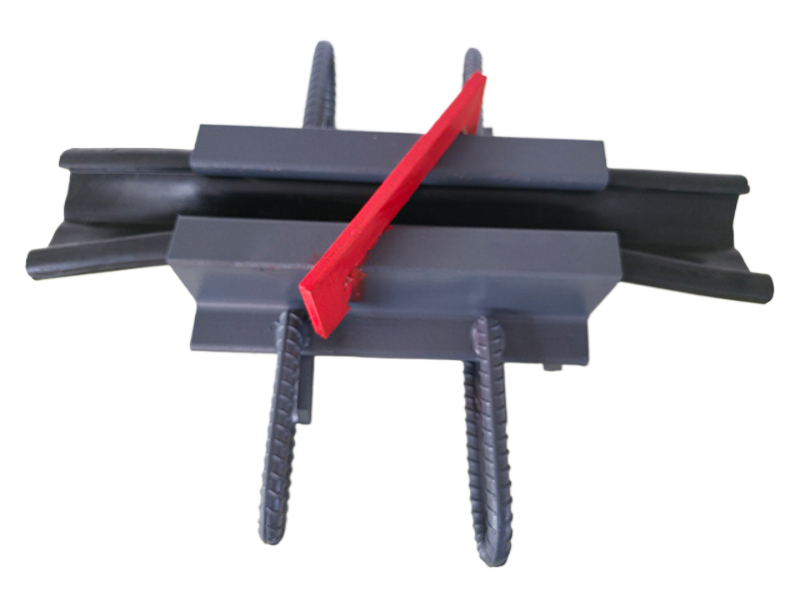
Waterstop embedded in the middle


- 产品描述
-
The function and application scope of waterstop
Waterstop utilizes the high elasticity and compression deformability of rubber to generate elastic deformation under various loads, thereby achieving effective sealing and preventing water leakage, seepage, and providing shock absorption in building structures. In general larger engineering designs, construction seams, settlement seams, and deformation seams need to be left due to reasons such as the inability to perform continuous pouring, ground deformation, and thermal expansion and contraction of concrete components caused by temperature changes. Waterstops must be installed at these seams to prevent water seepage.
Waterstops are mainly used in the construction of concrete in situ, placed within construction seams and deformation seams to become integral with the concrete structure, such as underground facilities, tunnels, subways, docks, water conveyance aqueducts, dams, and liquid storage structures.
Technical Standards
The size tolerances, technical requirements, testing methods, and inspection rules of waterstops comply with all requirements of the People's Republic of China National Standard GB18173.2-2000 "Polymer Waterproofing Materials Part Two Waterstops".
Material Physical Properties of Waterstops
Rubber Material Properties Used in Waterstops
Serial Number Item Index B S J 1 Hardness (Shore A), degrees 60±5 60±5 60±5 2 Tensile strength, MPa ≥ 15 12 10 3 Elongation at break, % ≥ 380 380 300 4 Compression set 70℃×24h, % ≤ 35 35 35 23℃×168h, % ≤ 20 20 20 5 Tear strength, kN/m ≥ 30 25 25 6 Brittleness temperature, ℃ ≤ -45 -40 -40 7 Hot air aging 70℃×168h Change in hardness (Shore A), degrees ≤ +8 +8 Tensile strength, Mpa ≥ 12 10 Elongation at break, % ≥ 300 300 100℃×168h Change in hardness (Shore A), degrees ≤ +8 Tensile strength, Mpa ≥ 9 Tensile Elongation at Break, % ≤ 250 8 Ozone aging 50pphm: 20%, 48h Grade 2 Grade 2 Grade 0 9 Rubber and metal bonding Cross-section within the elastic body Note 1: The rubber and metal bonding item only applies to waterstop with steel edges.
2. If there are other special needs, the supplier and demander can agree to appropriately increase the inspection items, such as assessing the mildew test according to user needs, but its mildew resistance performance should be equal to or higher than Grade 2.
3. The tensile strength of the waterstop joint shall not be less than 80% of the performance of this table (except for on-site construction joints).Properties of Plastics Used in Waterstop
Item Item Performance Index Hardness (Shore A) ≥65 Tensile Strength Mpa ≥14 Elongation at Break % ≥300 100% Elongation Strength Mpa ≤5.5 Brittleness Temperature ℃ <-37 Water Absorption % <0.5 Volatile Loss % <0.5 Accelerated Alkali Resistance Test Tensile Strength Change Rate %≤ ±20 Elongation Change Rate %≤ ±20 Weight Change Rate %≤ ±5 Sodium Chloride Solution Resistance Tensile Strength Change Rate %≤ ±10 Elongation Change Rate %≤ ±10 Weight Change Rate %≤ ±2 Properties of Materials Used in Rubber and Plastic Waterstop
Item Performance Index Hardness (Shore A) 65±5 Tensile Strength Mpa ≥18 Elongation at Break % ≥450 Brittleness Temperature ≤-40
TAG:
Phone
Address
Nanwangzhuang Village, Pengdu Township, Binhu New District, Hengshui, Hebei Province
Leave Message